(512) 416-7700 | CONTACT US | MAP

(512) 416-7700 | CONTACT US | MAP

Have you ever been standing or taken a step and felt a little off balance or unstable? Have you ever walked or ran on an uneven surface and felt a little wobbly on your ankles or knees? Proprioception, or knowing where we are in space, is one of the most important skills in injury prevention as well as rehabilitation. Receptors in your muscles and tendons are constantly evaluating your physical position and communicating those coordinates to your nervous system. This lets your brain know where your joints are in relation to one another during your daily activities, helping you feel more stable as you move. After we experience an injury, we compensate for pain in our movement patterns, so these receptors need to be recalibrated with the body. As we heal from an injury, intentionally connecting with where we are in space can help us to recover effectively and prevent future mishaps.
Basic exercises for proprioception:
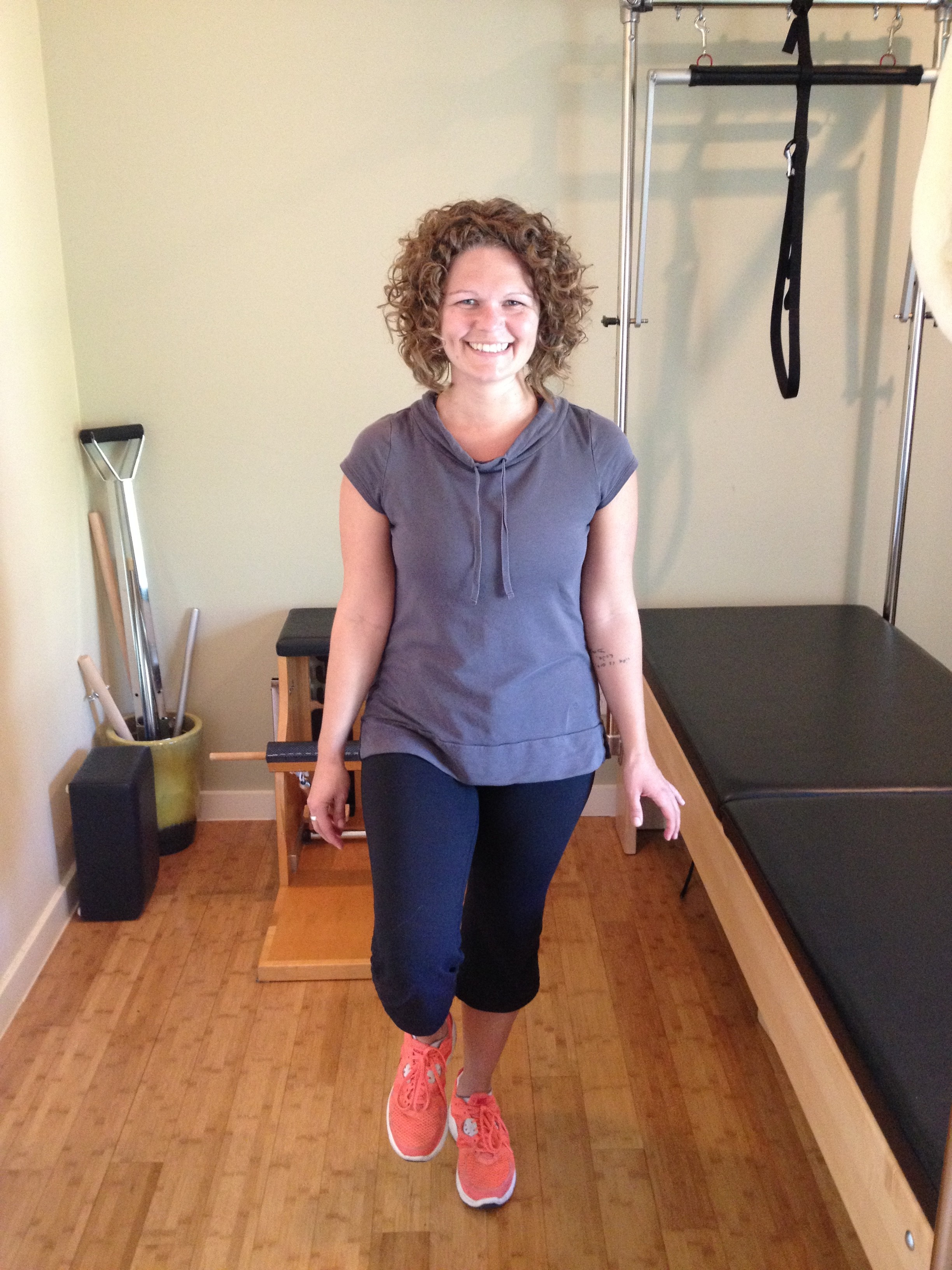
Standing single leg balance exercise for proprioception.
The most basic exercises for balance include balancing on one leg with eyes open or closed, to provide a greater challenge. Ideally, you will keep your hips level, use your core, and not put all of your weight on the standing leg. This is deceivingly difficult, so be aware of how your weight is distributed and maybe do a few repetitions without holding on to anything and then try a few where you hold on to something–feel how you are able to move more of your weight to the opposite hip.

Standing leg balance exercise to improve proprioception.
You can also reverse the exercise by pressing your foot into a ball and maintaining stability. Find your best level hips and gently press your foot into the ball maintaining balance and keeping hips on the same line. Pay attention to other areas of the body, like the shoulders, that may act to help you to balance. If you do tense in another area, these muscles may be helping you balance rather than your core.
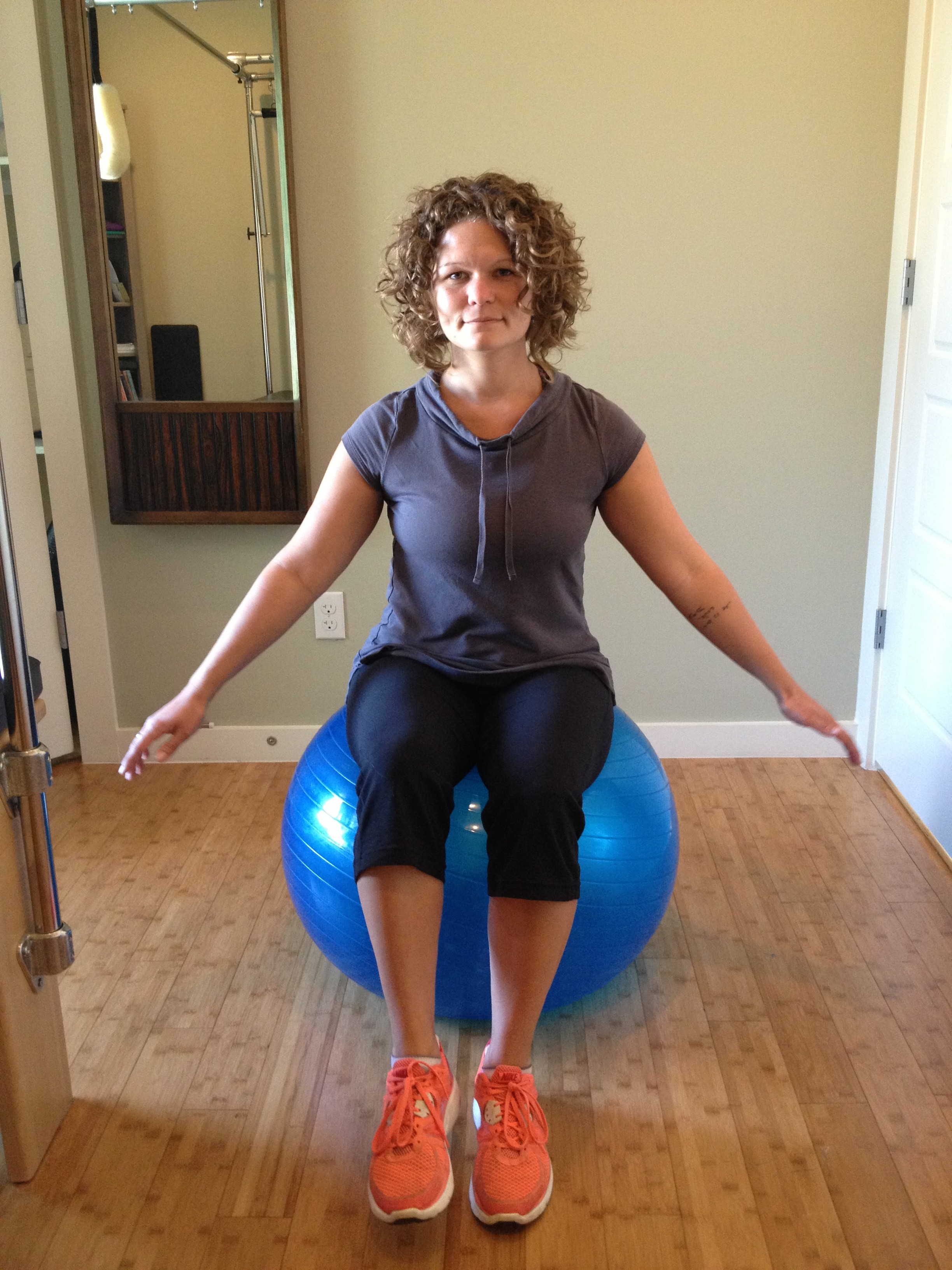
Single leg seated balance exercise on physio ball.
To practice proprioception while sitting, you can sit on a fitness/balance ball and slowly lift one knee in the air. It is easier if you lightly press the opposite foot into the floor as you lift the target knee. Once these exercises take less effort, you can practice a variety of stability exercises on a BOSU ball or stability disc.
How we can help.
Chiropractic restores proper sensation and engagement of your nervous system which enhances proprioception, enabling the body to move fluidly and flexibly. Learning proprioception can be particularly difficult without any outside physical feedback for your muscles to receive. Pilates uses equipment with springs to not only support you so you don’t feel like you will fall while learning balance, but to also give your joints feedback and resistance to learn proprioception more quickly. We also use Ki Hara, an active stretching technique, that improves proprioceptive activity by constantly engaging a muscle group as it is being stretched. All of these approaches teach your body to not only understand where it is in space, but know where it is with respect to your core. When you have good alignment with core engagement, you are more agile when experiencing an outside force that could render you unstable. This means that when you encounter an uneven surface while walking or running, you will more quickly and dynamically react, leaving you less prone to injury!
Shannon
Helping you find effort with ease…
Before teaching Pilates, I never realized how much tension we hold in our feet. Almost all of us can complain of neck and shoulder pain after a hard day’s work, but it is amazing how much we forget our feet do. We shove them into uncomfortable shoes, sit for long periods, drive, and yet most of us don’t take care of our feet on a day-to-day basis.
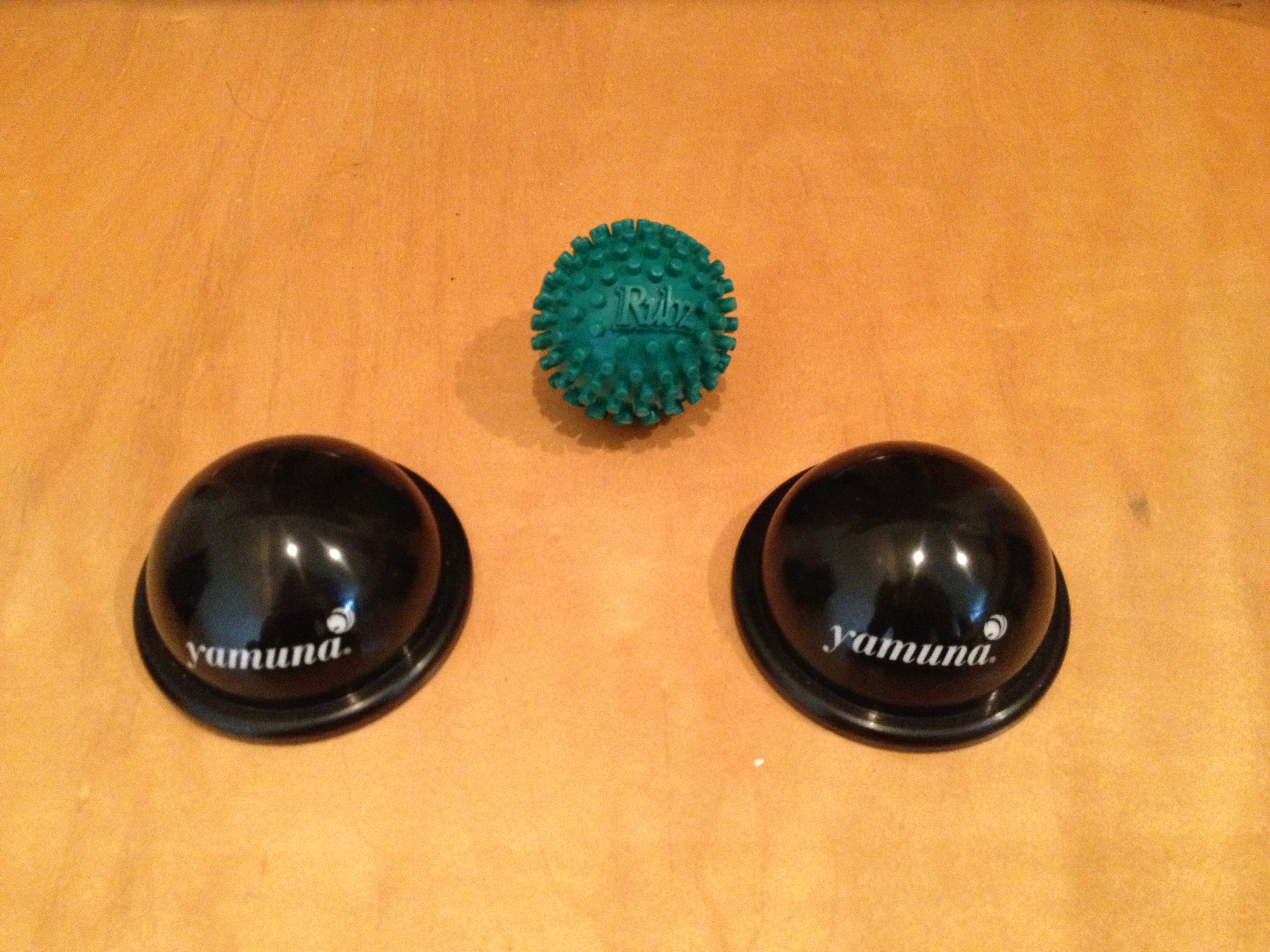
Yamuna Foot Savers and Rubz Massage Ball
Yamuna Foot Savers and Rubz Massage Ball, are my favorite tools to help relieve foot tension and stretch out the fascia and connective tissue of the feet. They are so small I take them with me when I travel and are a must before a run. I have had many clients come to me with plantar fasciitis and within weeks they have decreased or no pain at all. I believe one of the reasons for this is that I have my clients utilize these tools in every session. A simple 2 minutes a day while you’re brushing your teeth can greatly improve foot and calf tension and pain–your feet will thank you!
Shannon
Helping you find effort with ease…
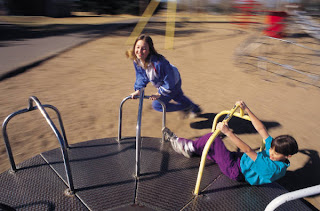
In an interesting article summarizing several studies in the US and Denmark, Gretchen Reynolds of the New York Times suggests that being physically active and fit is correlated with brain size in kids — particularly in the sections of the brain responsible for “executive function” that keep kids focused during school. This, in turn, is related to higher IQ scores even between active and inactive pairs of twins.
Though the causes of increased brain size in the more fit children are not yet well understood by scientists, the takeaway is clear: Motivate your kids to be physically active, and they will have a better chance of success in both school and later life!
In health, Dr. Philip


